Manual timesheets have an 80% error rate (TeamTrackin, 2026), and that number gets worse, not better, once a team stops sharing an office — there’s no clipboard by the door, no sign-in sheet, no manager glancing around the floor at 9 a.m. to see who showed up.
So how do you know who’s actually working? Many remote teams answer that question with spreadsheets, Slack “I’m online” messages, and guesswork by the end of the week. This post explains what replaces the sign-in sheet: how the system tracks attendance, what managers see, and how the data reaches payroll.
Remote attendance tracking uses a digital record instead of a sign-in sheet. Attendance is logged right when an employee starts tracking. It does not happen through passive detection. Manual timesheets have an 80% error rate. Automated tracking eliminates this step and establishes a direct connection to payroll.

What Replaces the Sign-In Sheet for Remote Teams?
A sign-in sheet is now a digital record made when an employee begins tracking, replacing passive background presence detection. Manual timesheets have an 80% error rate, and that rate climbs further once employees work across different time zones, devices, and schedules with no shared physical space to keep records.
Paper and spreadsheet logs often fail because they depend on someone remembering to write things down correctly, later. A remote worker in one city uses a laptop while a manager in another city checks records — they both lack a common reference point, so the system itself has to create that connection.
A digital attendance record does more than log a timestamp. It records the start time, the project or task the employee is working on, and the device they’re using. This is like what a sign-in sheet captures, but it’s organized and easy to search, not messy and easy to lose.
How Does Attendance Get Tracked Without Manual Entry?
Attendance is recorded when the employee starts tracking in the desktop app — TraqNext automatically tracks time, logging the start point and syncing it to the dashboard immediately. Multi-state payroll errors jumped 38% from last year, an increase mainly due to the complexities of remote work (AttendanceBot, 2026), which makes capturing accurate data more important than ever.
The desktop app tracks work time automatically and detects idle time when there’s no mouse or keyboard activity, while also logging which apps and sites were used during the session. If a laptop loses internet during a shift, offline tracking records locally and syncs once the connection is back, so no one loses hours if the Wi-Fi drops.
Break tracking works the same way: employees can log their breaks, and the system notes them as separate segments rather than adding them to total work time. If tracking stops unexpectedly, a reminder notifies the employee to restart it, which helps close a common gap in remote attendance data.
Keeping Hybrid and Remote Teams on One System
Attendance is recorded when tracking begins. This is important because payroll mistakes related to remote work are increasing. Multi-state payroll errors grew by 38% from last year (AttendanceBot, 2026). A clean capture point is the first line of defense against this trend.
Teams with hybrid, remote, and in-office workers need a capture method that works for all. If not, you’ll end up reconciling two different systems, creating more manual work. TraqNext’s time and attendance module applies the same tracking-based capture regardless of where the employee is sitting.
This consistency matters more than it might appear. A hybrid team where in-office staff track hours one way and remote staff use a different reporting method ends up with two sets of records that often don’t match. Unifying the capture mechanism lets everyone use desktop tracking, anywhere, so a manager can check Monday’s attendance without cross-referencing a badge system, a spreadsheet, and someone’s memory — it’s one record, built the same way for every employee on the team.
What Does a Manager Actually See?
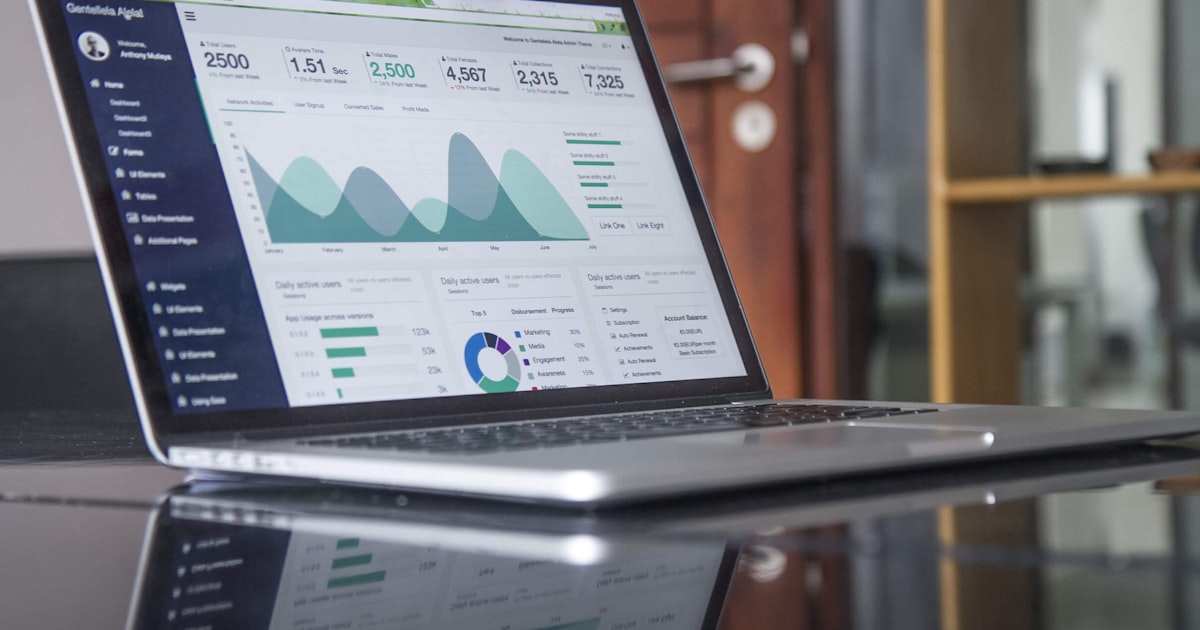
Managers see real-time data with Timeline and Work Time reports, not a static spreadsheet that only reflects the truth after someone updates it. About 54% of companies globally have now shifted from manual to cloud-based attendance systems (Raidetime, 2025), and a live dashboard is driving that change.
Picture onboarding a first remote hire: you send an invite through Easy Onboarding, they accept it, install the desktop app, and start tracking on day one. By the end of that first day, their Timeline report already shows work time, idle time, and breaks taken — segmented and clickable, so you won’t need to ask them to recall it next Friday.
How Does This Handle Leave, Breaks, and Manual Entries?
Attendance tracking goes beyond clocking in and out — it must include approved leave, breaks, idle and manual time. Automation cuts time theft and manual entry errors by 29% compared with unmanaged manual tracking (industry research via Raidetime, 2025).
TraqNext’s Time and Attendance module covers timesheets, attendance summaries, and leave management — including paid and unpaid leave — with an approval step for both leave requests and manual time entries. Nothing posts to a report unmoderated; a manager reviews and approves it first. Edit Time is for the common gaps in attendance systems: missed clock-ins, early session ends from sleeping laptops, and breaks that ran too long.
How Does Remote Attendance Data Reach Payroll?
Tracked hours go straight into payroll processing, cutting out the manual reconciliation step that usually leads to errors. Over 30 countries changed payroll, employment tax, and mandatory benefits rules between 2025 and 2026 (AttendanceBot, 2026), so accurate attendance data is now a must for compliance, not a nice-to-have.
TraqNext’s Payroll feature automates processing from tracked hours, so approved time doesn’t need to be re-entered into another system. For agencies and firms that charge by the hour, project and employee Billable Rates let you set rates for each project or employee, with costs calculated automatically from tracked time.
Accurate attendance data is now a compliance requirement, not just an operational nicety, given how much payroll regulation has shifted recently. More than 30 countries updated payroll, employment tax, or benefits rules between 2025 and 2026 (AttendanceBot, 2026) — a gap in attendance records now carries real compliance exposure, not just an awkward payroll conversation.
Is Automated Attendance Tracking the Same as Surveillance?
No — attendance tracking and productivity monitoring are linked, but they aren’t the same, and vendors that treat them as identical risk losing employee trust. In TraqNext, admins control screenshots: they decide if screenshots get captured and can choose to disable or blur them.
The transparency principle is key to the system — employees start tracking, see it in action, and can review it, rather than having it done without their involvement. TraqNext supports GDPR compliance, which matters more as the workforce becomes more distributed.

Frequently Asked Questions
Does remote attendance tracking work without an internet connection?
The system also supports offline tracking and automatically syncs the data once the device reconnects to the internet. There’s no need for manual re-entry after a Wi-Fi drop.
Can attendance tracking handle time zones for global remote teams?
Yes. The dashboard collects tracked time from all employees. It works for everyone, no matter where they are or what time zone they’re in. This is important due to the fast pace of regulatory change. Over 30 countries updated payroll or employment rules from 2025 to 2026 (AttendanceBot, 2026). Also, consistent data from different regions shows the need for compliance work.
What happens if an employee forgets to start tracking their time?
Edit Time allows the employee or manager to add a missing entry. This entry goes through the same approval process as other manual corrections.
Is remote attendance data automatically connected to payroll?
Yes. Tracked hours go straight into automated payroll. This removes the need to manually re-enter approved time into another payroll system.
Does attendance tracking software show productivity, not presence?
Yes, though the two are reported separately. Activity Summary and Web/App Usage reports show productivity context. They reveal which applications users utilized and for how long. This data sits alongside the attendance record. Managers can clearly see both without confusing them.
Explore how accurate attendance records are built automatically with TraqNext.
Explore today – full access, no credit card required!
Related articles
Continue reading with more posts from the same category.
