Small-business monitoring adoption nearly doubled in four years, climbing from 34% in 2022 to 52% in 2026 (Employee-Monitoring.net, 2026). Most workforce analytics tools are for organizations with over 1,000 employees. They don’t usually fit smaller companies. Lean teams often find themselves stuck. They often spend too much on big software suites. Or, they use spreadsheets that lack clear insights. This guide lays out what a non-enterprise team actually needs — and what to skip.
What Is Workforce Analytics for Non-Enterprise Teams?
The workforce analytics market grew from $2.4 billion in 2024 toward a projected $9.2 billion by 2034, a 14.4% CAGR (Aura, 2025). For a small team, workforce analytics means using daily work data. This includes time, apps, projects, and activity. You can then make decisions you can act on. It’s the interpretation layer, not the raw feed.
“Non-enterprise” refers to groups of about 10 to 200 people. They often lack dedicated IT staff. Their software budgets are tight, and they want quick rollout. These teams aren’t trying to run a data-science program. They want a few clear answers: Where does the week actually go? Are projects profitable? Is anyone experiencing burnout in silence?
That’s the gap this guide addresses. Workforce analytics for small teams isn’t a smaller version of an enterprise HR suite. It’s an entirely different product shape — designed for speed, clarity, and minimal setup.
Our take: Non-enterprise teams don’t need less analytics. They need fewer dependencies — fewer consultants, fewer integration, fewer dashboards no one opens.

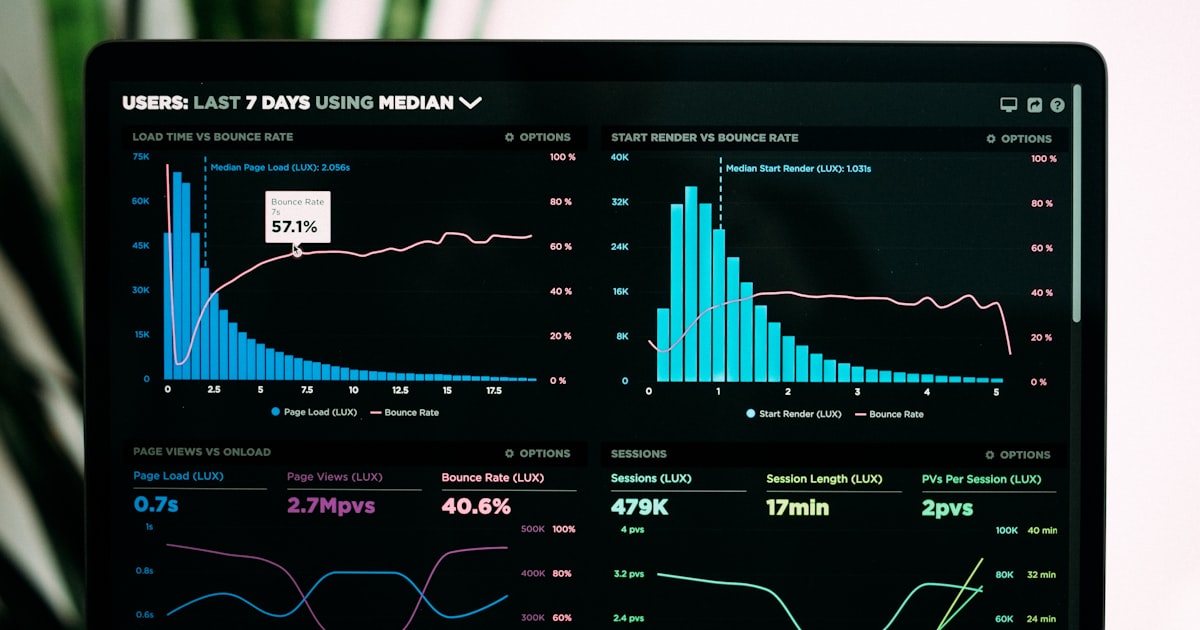
For the dashboards behind these answers, see our workforce insights and reporting
Why Do Small Teams Need Workforce Analytics in 2026?
Adoption tells the story plainly. As of 2025, 78% of employers use at least one form of employee monitoring, and Gartner projects that figure will reach 85% by 2028 for organizations with more than 50 employees (Employee-Monitoring.net, 2026). What was once an enterprise habit is now a mainstream operating practice — and small teams are the fastest-growing slice.
Three forces are driving this. Hybrid and remote work took away the casual visibility that managers had in a shared office. Accurate billing is important. Thin margins make it vital. Every hour counts. Third, accountability has to scale without a manager hovering over every screen.
The growth curve is steepest in the middle of the market. Companies with 100 to 999 employees will lead new monitoring-software sales until 2028. They feel enterprise-grade pressures but were slow to adopt due to budget and IT limits. However, SaaS pricing now helps remove these barriers.
Adoption among small employers backs this up: 46% of small employer firms reported using AI tools in 2025, with another 15% planning to start within twelve months (Federal Reserve SBCS, 2026). The tooling is no longer reserved for big budgets.
For teams focused on doing more with the hours they have, our operational efficiency use case shows where analytics pays off first.
How Is Workforce Analytics Different From Employee Monitoring?
Monitoring captures activity; analytics interprets it. That distinction matters more than any feature list. Tools that highlight “workforce intelligence” face less pushback. This is true when compared to those that focus on “employee tracking.” (Employee-Monitoring.net, 2026). The data is the same — the purpose, and the trust it earns, is not.
Raw monitoring answers “what happened on this screen.” Analytics shows where our time goes. It also reveals which projects are profitable. Finally, it identifies individuals who may overload. For a small team, only the second set of questions is worth paying for.
Privacy posture is part of this difference. Responsible platforms keep sensitive data under admin control. For instance, TraqNext lets you disable or blur screenshots at the account level. Also, the product supports GDPR. The key isn’t having a feature; it’s about controlling how you use it.
TraqNext calls itself Workforce Productivity Intelligence, not surveillance software. This highlights its focus on enhancing work efficiency. The goal is insight that helps the team, not a camera pointed at people.
To see how monitoring and analytics fit together responsibly, read our employee monitoring overview and activity monitoring features
What Should a Non-Enterprise Team Look For?
Small teams value quick results, clear pricing, and low IT needs over many features. Enterprise HR analytics platforms often have steep learning curves. Costs can block smaller organizations. They don’t need all the advanced modules (Playroll; Vantage Circle, 2026).
So what’s the short list? A non-enterprise team should look for a tool that covers the essentials cleanly: automatic time and attendance, project- and employee-level billable rates, clear productivity insight, anomaly detection for unusual patterns, early burnout signals, and GDPR support. Setup should take minutes, with tracking data syncing to the dashboard right away.